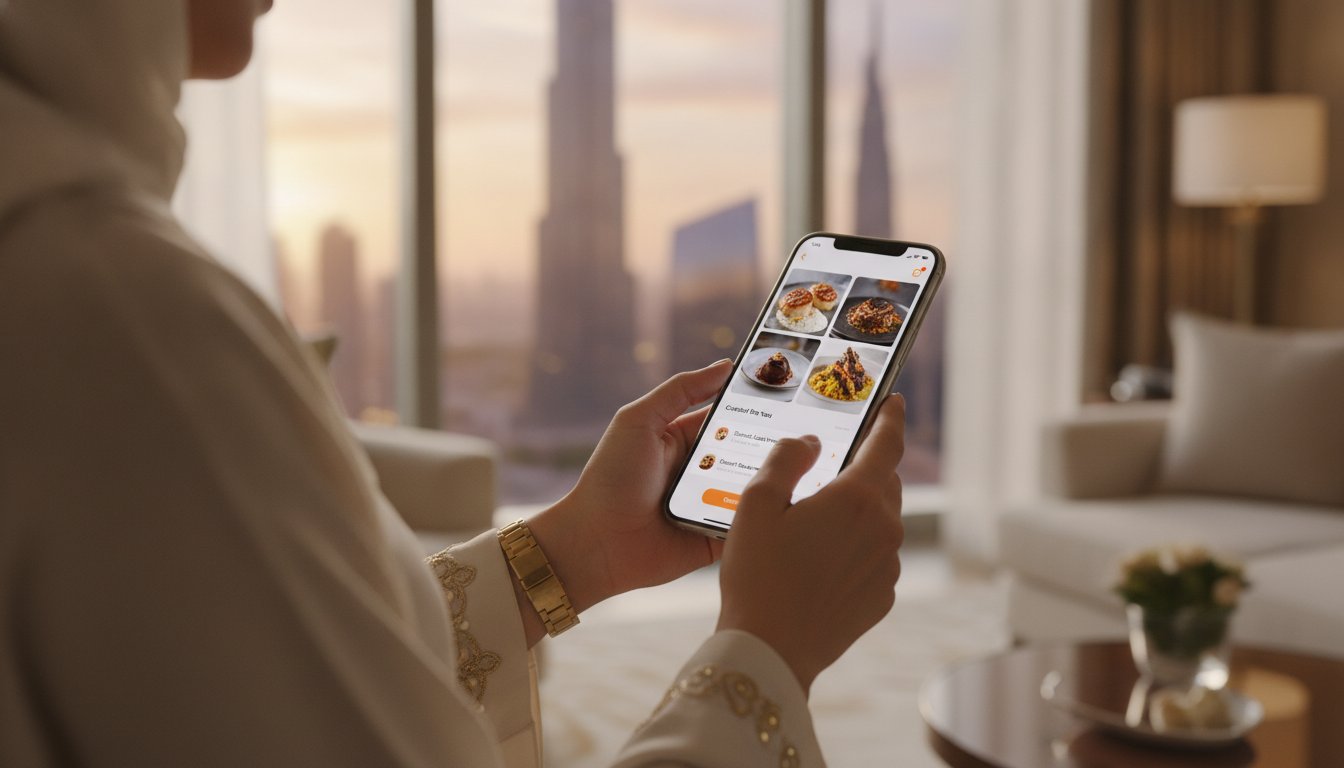
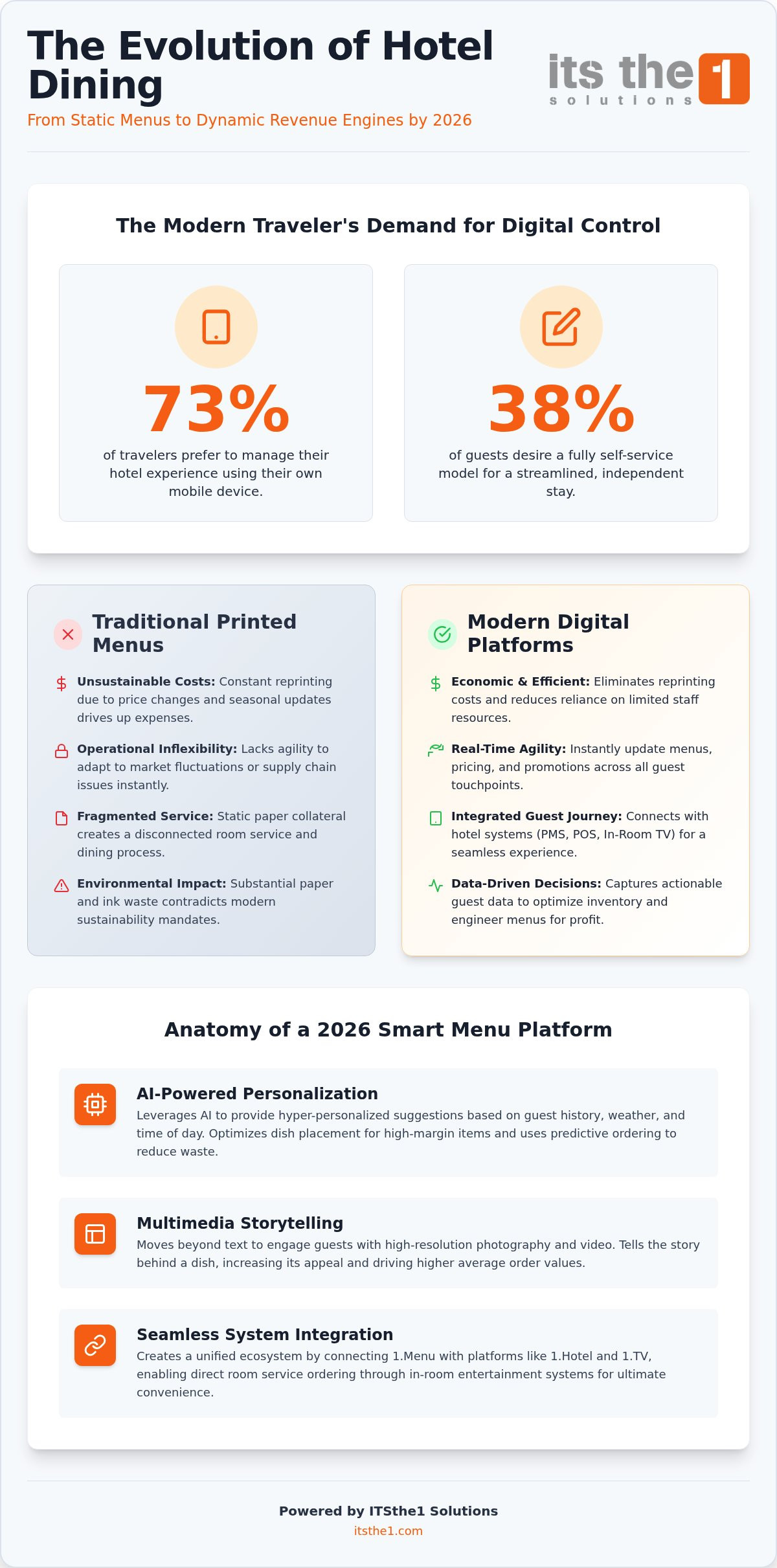
Research from Oracle Hospitality indicates that 73% of travelers now prefer to manage their hotel experience through their own mobile devices, while 38% desire a fully self-service model. This shift marks a definitive end to the era of static, printed collateral that often leads to high reprinting costs and fragmented room service processes. You’ve likely recognized that a standard digital menu for hotels is no longer just a “digital piece of paper” but a critical component of a modern guest engagement strategy. While simple QR codes served a purpose in the past, today’s solutions function as integrated platforms designed to eliminate language barriers and capture actionable guest data in real time.
This article provides a comprehensive look at how digital menus are evolving into strategic revenue engines by 2026. You’ll learn how to leverage AI-powered personalization and modular system integrations to increase average order values and optimize your F&B operations. We’ll examine the shift toward multimedia storytelling and examine the specific ROI metrics that define a successful digital transformation. By the end of this guide, you’ll have a clear roadmap for transitioning from basic digital displays to a sophisticated, data-driven ecosystem that enhances both guest satisfaction and your bottom line.
Key Takeaways
- Understand the transition from static paper to dynamic platforms that reduce operational costs and align with 2026 sustainability mandates.
- Explore how AI-driven menu engineering and high-quality video content can increase average order value through personalized guest interactions.
- Learn how integrating 1.Menu with 1.Hotel and 1.TV creates a seamless guest journey, enabling direct room service ordering through in-room entertainment systems.
- Evaluate the critical role of robust network infrastructure and cybersecurity protocols in maintaining guest trust and operational stability.
- Gain insights into implementing a scalable digital menu for hotels that combines proprietary software with professional consulting for maximum strategic impact.
The Evolution of Hotel Dining: Why Digital Menus are the 2026 Standard
The hospitality sector has reached a tipping point where traditional printed menus are no longer commercially viable. Rising paper and ink costs, combined with increasingly strict sustainability mandates, have forced operators to seek more efficient alternatives. In 2026, a digital menu for hotels is the baseline for operational excellence. Guests now expect instant access to information. They aren’t satisfied with waiting for a physical menu or a staff member to explain daily specials. This shift is also a response to the persistent labor shortages across the industry. By empowering guests with self-service ordering, hotels can reallocate their limited staff to high-touch service areas. The decline of print is driven by several key factors:
- Economic Pressure: The rising costs of specialty paper and high-volume ink make frequent reprinting unsustainable.
- Operational Agility: Physical menus lack the flexibility to adjust pricing in response to market fluctuations or supply chain disruptions.
- Labor Efficiency: Digital interfaces mitigate the impact of staff shortages by streamlining the ordering process.
From Passive Information to Active Engagement
Modern travelers view the evolution of contactless dining as a move toward convenience rather than a temporary hygiene measure. Static PDF files, which were common during the pandemic era, are now considered insufficient. Guests require interactive interfaces that offer more than just a list of items. They want to see high-resolution photography and video of the dishes they are considering. For the hotel, this means the ability to push real-time updates. If a specific ingredient becomes unavailable or a chef creates a new daily special, the digital menu for hotels can be updated across all touchpoints instantly. This agility prevents guest disappointment and optimizes inventory management through precise, data-driven menu engineering.
Sustainability and the Paperless Initiative
Sustainability is no longer a secondary concern; it’s a central pillar of corporate social responsibility (CSR). Large hotel properties often reprint menus several times a year to account for seasonal changes and price adjustments. The cumulative environmental impact of this practice is substantial. Transitioning to a paperless initiative allows hotels to align their food and beverage operations with broader “Green” certification standards. By removing the need for physical printing, brands demonstrate a commitment to resource conservation that resonates with the modern, eco-conscious traveler. This digital transformation supports long-term environmental goals while simultaneously reducing recurring operational expenses, creating a compelling case for strategic ROI.
Emerging Trends: AI Personalisation and Multimedia Storytelling
The transition from digital paper to intelligent interfaces represents a significant leap in hospitality technology. A modern digital menu for hotels now acts as a sophisticated recommendation engine rather than a static list. By leveraging real-time data, hotels can implement hyper-personalized menu suggestions that adapt to external variables such as the time of day, current weather conditions, or even a guest’s previous ordering history. This level of precision ensures that a guest is presented with a refreshing salad on a warm afternoon or a hearty soup during a colder evening; it naturally increases the relevance of every interaction and drives higher engagement.
The Role of AI in Menu Engineering
Integrating 1.AI into the dining ecosystem allows for advanced menu engineering that was previously impossible for manual operators. This specific module analyzes vast datasets of guest ordering patterns to optimize dish placement, ensuring high-margin items receive maximum visibility. Predictive ordering capabilities further refine operations by anticipating demand for specific ingredients, which significantly reduces kitchen waste and supports inventory management. Additionally, AI assistants can provide immediate, accurate information regarding allergens and ingredient sourcing. This capability allows staff to focus on high-value hospitality tasks while the technology handles routine inquiries with absolute precision.
Immersive Multimedia Experiences
Visual storytelling has become a primary driver of increased average order value. The rise of “shoppable” food videos allows guests to view a dish being prepared or plated before they make a selection. By integrating “chef’s table” video content directly into the digital interface, hotels can highlight their commitment to local sourcing and farm-to-table initiatives. This creates a sensory journey that begins at the moment of discovery, establishing an emotional connection with the brand’s culinary philosophy. It’s no longer enough to list ingredients; guests want to understand the provenance of their food through a rich, multimedia narrative.
Beyond the visual appeal, the backend functionality supports dynamic pricing models that respond to the hotel’s operational needs. Rates for happy hours or special events can be adjusted automatically based on pre-set schedules or real-time occupancy levels. This automation ensures that promotional strategies are executed with precision without requiring manual intervention from management. For properties seeking to implement these advanced capabilities, exploring a modular solution like 1.Menu provides the necessary framework for a future-proof digital menu for hotels that prioritizes both guest experience and strategic growth.
Operational Excellence: Beyond the QR Code to Integrated Systems
A digital menu for hotels shouldn’t exist in a vacuum. The most successful implementations treat it as a modular component within a broader technological ecosystem. By connecting 1.Menu with other guest-facing platforms like 1.Hotel or 1.TV, properties can create a frictionless environment that drives operational efficiency. This integration allows for a unified service model where guests can interact with the hotel’s culinary offerings through various touchpoints, ensuring that the brand experience remains consistent regardless of the device being used.
Direct-to-POS (Point of Sale) synchronization is a critical feature of professional-grade systems. By removing the need for manual order entry, hotels significantly reduce human error and speed up service times. When an order is placed through 1.TV or a mobile device, it routes directly to the kitchen display system. This automation ensures that the kitchen receives precise instructions immediately; this is especially beneficial during peak dining hours when staff resources are often stretched. It eliminates the delay between the guest’s decision and the kitchen’s action.
Unified Guest Experience Across Touchpoints
Consistency is paramount for brand integrity. Whether a guest is viewing options on lobby digital signage via 1.DSMM or scanning a code at the poolside bar, the interface must remain cohesive. A truly integrated system allows a guest to begin an order on their smartphone and complete it on an in-room tablet without losing their progress. This modular approach centralizes management for various outlets, such as the bar, spa, and restaurant, under a single administrative dashboard. It simplifies the workflow for management while providing a seamless transition for the guest between different hotel services, regardless of their physical location on the property.
Data-Driven Decision Making
Beyond the immediate convenience of ordering, integrated systems serve as powerful data collection engines. Every interaction with the digital menu for hotels generates valuable insights into consumer behavior. Heat-map analytics and click-through rates help managers identify “dead items” that take up visual space without contributing to revenue. Real-time feedback loops allow staff to address service issues immediately, often before the guest even checks out. This data flows directly into 1.CRM, building robust guest profiles that inform future loyalty offers and personalized marketing campaigns. It transforms the menu from a list of prices into a strategic tool for long-term guest retention.
Strategic Implementation: Choosing a Scalable Digital Menu Framework
Implementation requires more than a simple software download. It demands a thorough assessment of the hotel’s existing technical environment to ensure long-term viability. A robust digital menu for hotels relies on stable network infrastructure capable of handling high-traffic dining periods without latency. While “free” or low-cost DIY options might seem attractive initially, they often lack the enterprise-grade support and scalability required for professional hospitality environments. Evaluating the Total Cost of Ownership reveals that integrated solutions offer superior value through reduced downtime and professional technical maintenance. Selecting a partner that provides both the software and the necessary consulting is essential for a successful rollout.
Security and Reliability in Hospitality Tech
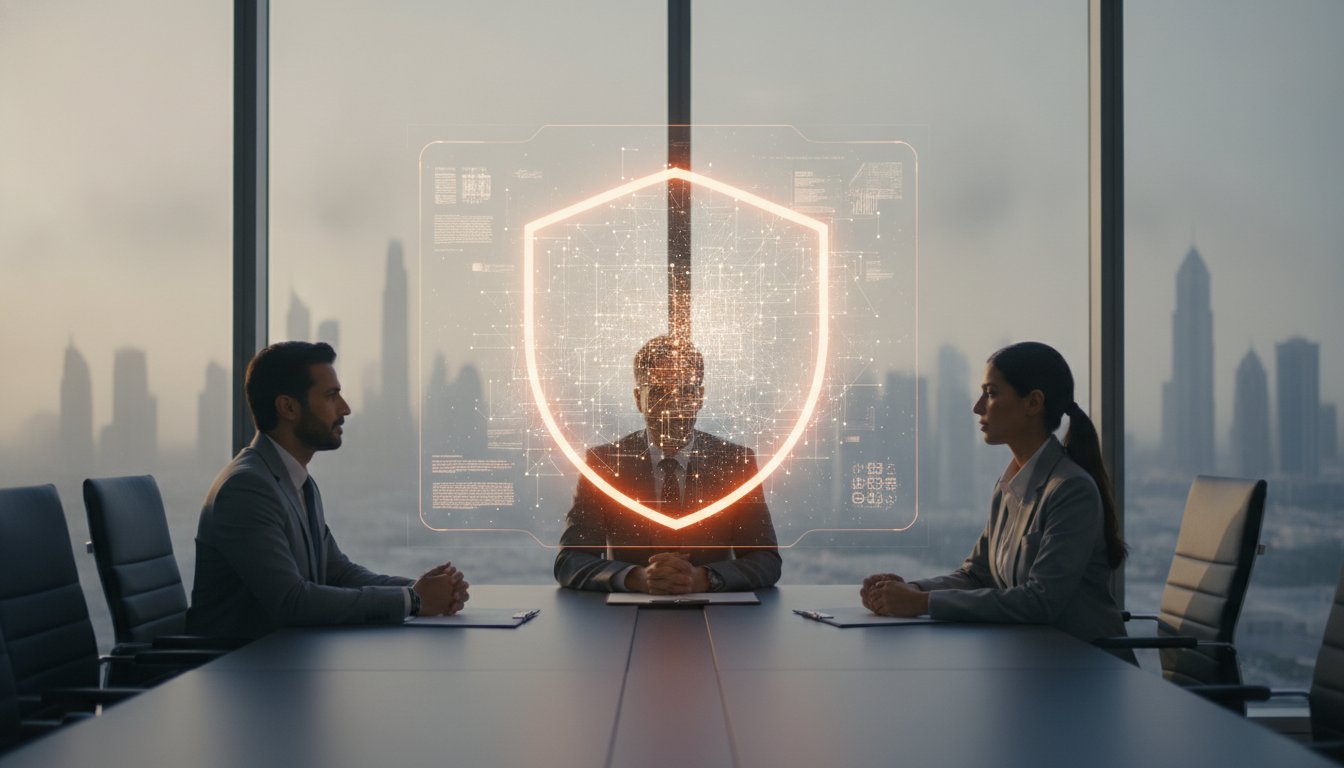
Cybersecurity is a critical consideration when handling sensitive guest data and payment information. Enterprise-grade protection is non-negotiable to maintain guest trust and comply with international standards like GDPR or relevant local equivalents. Systems must guarantee 99.9% uptime; any failure during peak hours translates directly into lost revenue and diminished brand reputation. Choosing a partner that prioritizes security and offers consistent helpdesk support ensures the system remains resilient against evolving digital threats. This stability allows management to focus on service quality rather than troubleshooting technical failures.
The Implementation Roadmap
A structured approach ensures that the transition to digital ordering is seamless for both staff and guests. The process follows a logical progression designed to minimize disruption to daily operations:
- Audit: Conduct a comprehensive digital transformation audit of all existing F&B outlets to identify infrastructure gaps and connectivity requirements.
- Customization: Tailor the 1.Menu interface to reflect specific brand identity guidelines, ensuring a premium aesthetic that matches the property’s character.
- Training: Educate staff on managing the backend system and interpreting the actionable analytics generated by guest interactions.
- Launch: Execute a phased rollout to monitor performance and ensure high levels of guest adoption across different dining areas.
Successful deployment requires a balance of advanced technology and expert guidance. For properties ready to modernize their F&B operations with a secure and scalable digital menu for hotels, you can consult with our experts on implementing 1.Menu to ensure a professional and reliable transition.
Elevating the Guest Journey with ITSthe1 Digital Solutions
ITSthe1 Solutions provides a strategic approach to digital transformation that extends far beyond simple software licensing. The 1.Menu module is a professional-grade digital menu for hotels designed for scalability across diverse property types. Established in 1999, our organization brings decades of research and global expertise to every implementation. We don’t just provide a tool; we act as a long-term partner, combining modular technology with professional consulting to ensure your food and beverage operations align with broader business objectives. This methodology ensures that your digital evolution is grounded in stability and high-level value.
Why 1.Menu Outperforms Standalone QR Tools
Standalone tools often create technical silos that complicate the guest journey. In contrast, 1.Menu features deep integration with the 1.Hotel guest app, creating a frictionless experience from check-in to dining. Our professional implementation services ensure that the technology is fully operational on day one, avoiding the common pitfalls of DIY setups. We provide ongoing managed IT support through the 1.Support module to handle updates and technical troubleshooting. This comprehensive approach protects your investment and ensures that your digital menu for hotels remains a reliable revenue engine rather than a technical burden for your staff.
Your Partner in Digital Transformation
A unified ecosystem is the hallmark of a modern hotel. By centralizing 1.TV (IPTV), 1.DSMM (Digital Signage), and 1.AI support in one place, hotel groups can maintain consistent standards across their entire global footprint. We focus on well-researched, cost-effective solutions that deliver measurable ROI through increased average order values and optimized operational efficiency. Our historical longevity and geographical presence across multiple regions reinforce our status as a trusted advisor in the hospitality sector. We prioritize the efficacy of our solutions, ensuring every module contributes to a cohesive and purposeful guest experience.
Strategic growth requires a disciplined execution of technology. If you are ready to move beyond basic QR codes and embrace a fully integrated guest engagement platform, consult with an ITSthe1 specialist today to modernise your hotel menus.
Future-Proofing Your Hospitality F&B Strategy
The transition toward a fully integrated digital menu for hotels represents a fundamental shift in how properties manage guest engagement and operational efficiency. You’ve seen how moving beyond simple QR codes allows for AI-driven personalization and seamless room service ordering through IPTV systems. These advancements don’t just improve the guest experience; they provide the actionable data necessary to refine menu engineering and maximize profitability in a competitive 2026 landscape.
ITSthe1 Solutions remains a steady partner in this evolution, offering our proprietary “1” software suite to hotel groups worldwide. With our global head office established in Dubai since 2003, we bring specialized expertise in cybersecurity and large-scale digital transformation to every project. We prioritize reliability and long-term value, ensuring your technology infrastructure supports your overarching business goals. Discover the 1.Menu solution and transform your hotel dining experience.
The future of hospitality is digital, and with the right strategic framework, your property is well-positioned to lead the industry in innovation and service excellence.
Frequently Asked Questions
What is a digital menu for hotels and how does it differ from a QR code?
A digital menu for hotels is an interactive, web-based platform, whereas a QR code is simply the access point. While a QR code might link to a static PDF, a true digital menu integrates with property systems to offer real-time updates and multimedia content. It functions as a dynamic guest engagement tool rather than a digital representation of a paper document.
Can a digital menu integrate with my existing Hotel POS system?
Professional solutions are designed to synchronize directly with your existing Point of Sale (POS) and Property Management Systems (PMS). This connectivity ensures that orders placed by guests are routed immediately to the kitchen or bar without manual intervention. It also allows for accurate billing directly to the guest’s room folio, reducing administrative friction for front-desk staff.
Do guests actually prefer using digital menus over traditional paper ones?
Guest preferences have shifted significantly toward digital autonomy. Modern travelers value the ability to browse at their own pace and access detailed information about ingredients and allergens without waiting for assistance. This preference is particularly strong among international guests who benefit from instant translation features that remove language barriers during the ordering process.
What are the main security risks associated with digital menus in hotels?
The primary risks involve data privacy and the security of payment transactions. Using unencrypted software can expose guest information to unauthorized access. To mitigate these risks, hotels should implement enterprise-grade solutions that comply with international standards such as GDPR. These systems ensure that all guest interactions and financial data remain protected within a secure, monitored environment.
How does a digital menu help in reducing hotel operational costs?
Implementing a digital menu for hotels eliminates the recurring expenses associated with printing and physical distribution. It also optimizes labor costs by automating the order-entry process, allowing F&B teams to manage higher volumes with fewer staff members. Additionally, real-time inventory updates prevent the loss of revenue caused by guests attempting to order out-of-stock items.
What happens if the hotel Wi-Fi goes down while a guest is ordering?
Professional platforms often include offline caching or cellular backup capabilities to maintain service continuity. If a connection is lost, the system can preserve the guest’s current selections until the network is restored. For maximum reliability, we recommend a robust network infrastructure audit to ensure that high-traffic dining areas have redundant connectivity options.
Is it possible to manage multiple restaurant menus from a single dashboard?
Centralized management is a core feature of modular software suites. Administrators can control menus for the bar, restaurant, spa, and room service from one unified interface. This capability allows for simultaneous updates across all outlets, ensuring that branding, pricing, and promotional content remain consistent throughout the entire property or hotel group.
How quickly can we update items on a digital menu for seasonal changes?
Updates occur instantaneously across all guest touchpoints. Unlike physical menus that require days of design and printing, digital changes are pushed live the moment they’re saved in the backend. This agility allows chefs to introduce seasonal ingredients or daily specials immediately, ensuring the culinary offering remains fresh and responsive to supply chain availability.
2 Comments on “The Future of Digital Menus for Hotels: 2026 Trends and Strategic ROI”