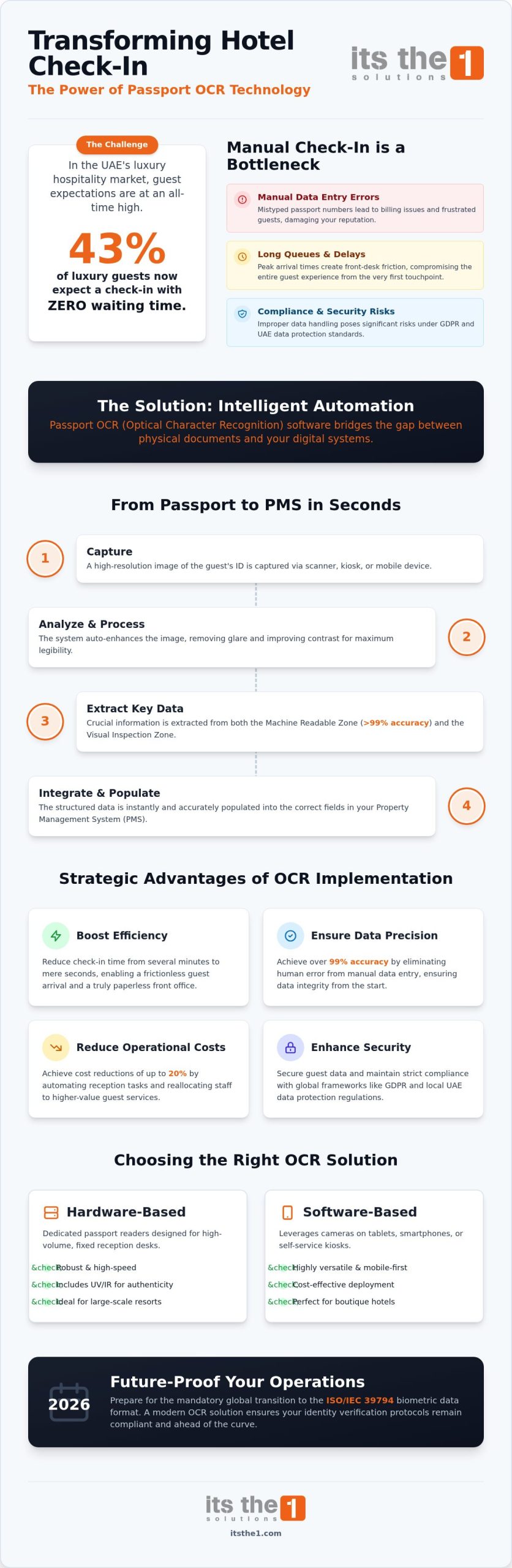
Did you know that 43% of luxury guests now expect a check-in process with absolutely no waiting time? In the high-stakes hospitality market of the United Arab Emirates, where service excellence is the baseline, even a minor delay at the front desk can compromise a guest’s entire experience. You likely recognize the persistent frustration of manual data entry, where a single mistyped character in a passport number leads to billing errors or, worse, significant compliance risks under regional data protection standards.
This guide demonstrates how implementing sophisticated passport OCR software for hotels can transform your reception from a bottleneck into a seamless entry point. By utilizing specialized modules like 1.ID, your team can ensure total data precision while maintaining the highest levels of security for guest identities. We will explore the latest 2026 biometric standards, including the transition to ISO/IEC 39794, and outline how a unified digital ecosystem helps your property achieve operational cost reductions of up to 20% within the next two years. Discover how to protect your operations and elevate your guest journey through established, research-driven technology.
Key Takeaways
- Understand how modern passport OCR software for hotels eliminates manual entry errors and accelerates the check-in process to meet the rising expectations of luxury guests in the UAE.
- Learn about the mandatory global transition to the ISO/IEC 39794 biometric data format starting in 2026 and how it impacts your identity verification protocols.
- Gain professional insights into securing guest data and maintaining strict compliance with global frameworks like GDPR alongside local UAE data protection regulations.
- Identify the critical integration requirements for your Property Management System to ensure a seamless flow of guest information from initial capture to the final guest profile.
- Discover the strategic advantages of the 1.ID module as a core component of a unified hospitality ecosystem that enhances operational excellence and guest engagement.
What is Passport OCR Software for Hotels?
In its most practical application, Optical Character Recognition (OCR) is a technology that converts different types of documents, such as scanned paper or images of identification cards, into editable and searchable data. For the hospitality sector, passport OCR software for hotels acts as a sophisticated bridge between a physical ID and your digital database. It eliminates the need for receptionists to manually type guest details, which is a process prone to human error and significant delays. Instead, the software identifies specific text patterns and extracts relevant information directly into the property management system.
The technology has evolved significantly from the era of bulky flatbed scanners that required minutes to process a single page. Modern hospitality operations now utilize high-speed image capture and intelligent data parsing. We’ve moved beyond simple “scanning,” which merely creates a digital picture. Today’s intelligent systems distinguish between a guest’s given name, document expiry date, and nationality. This shift to automated parsing ensures that every data point is mapped to the correct field in your PMS, supporting operational excellence and data integrity from the moment a guest arrives.
The Role of OCR in the Modern Guest Journey
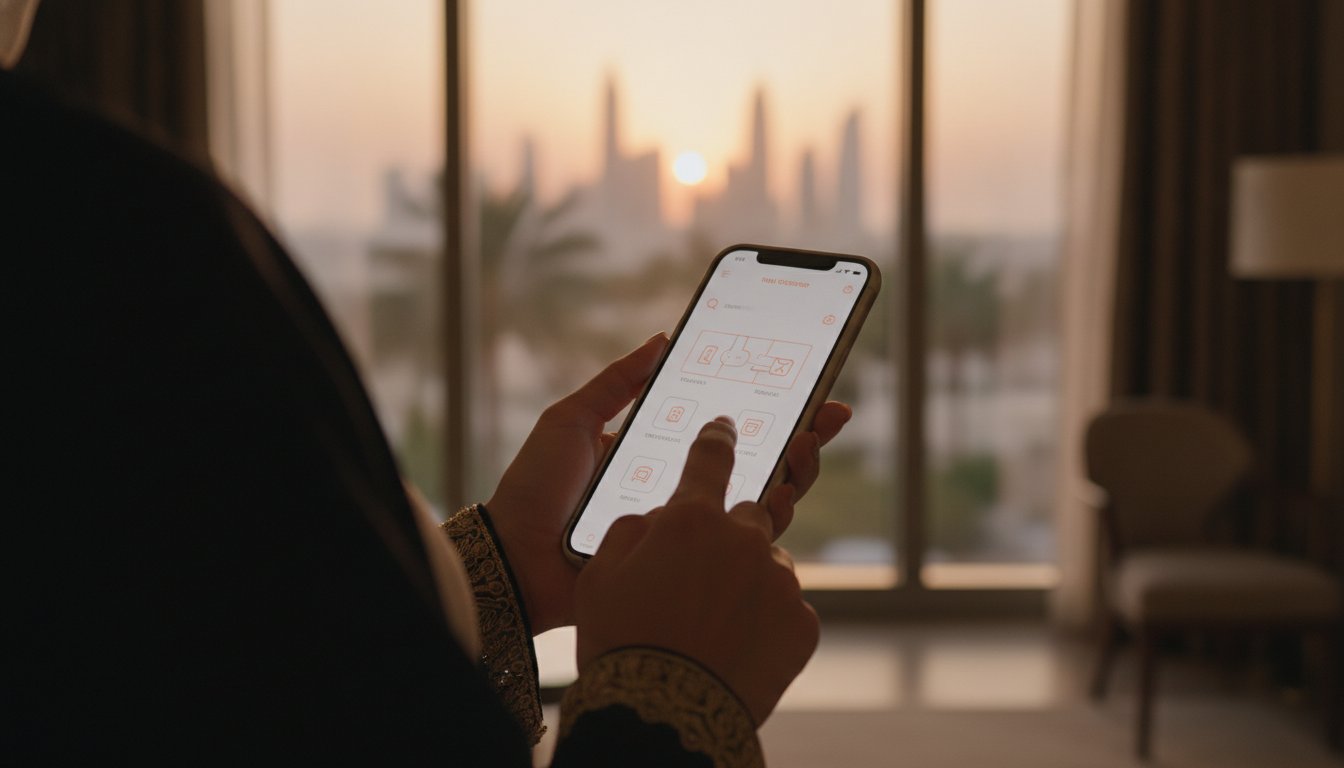
Reducing front-desk friction is essential during peak arrival windows, particularly in high-traffic hospitality locations. When multiple groups arrive simultaneously, manual data entry becomes a primary bottleneck that leads to long queues and guest dissatisfaction. Passport OCR software for hotels mitigates this pressure by completing the identification process in seconds. This speed enables a truly paperless front office where physical photocopies are no longer necessary. It also supports mobile-first workflows, allowing guests to scan their own documents via a dedicated hospitality app before they ever reach the lobby, ensuring a frictionless transition to their room.
Hardware vs. Software-Based OCR Solutions
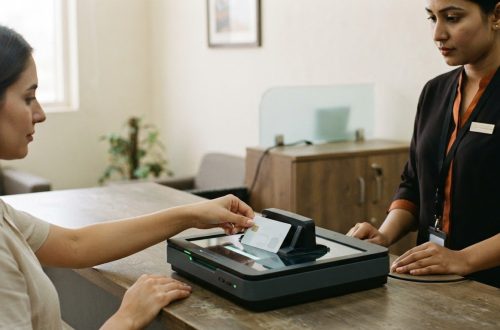
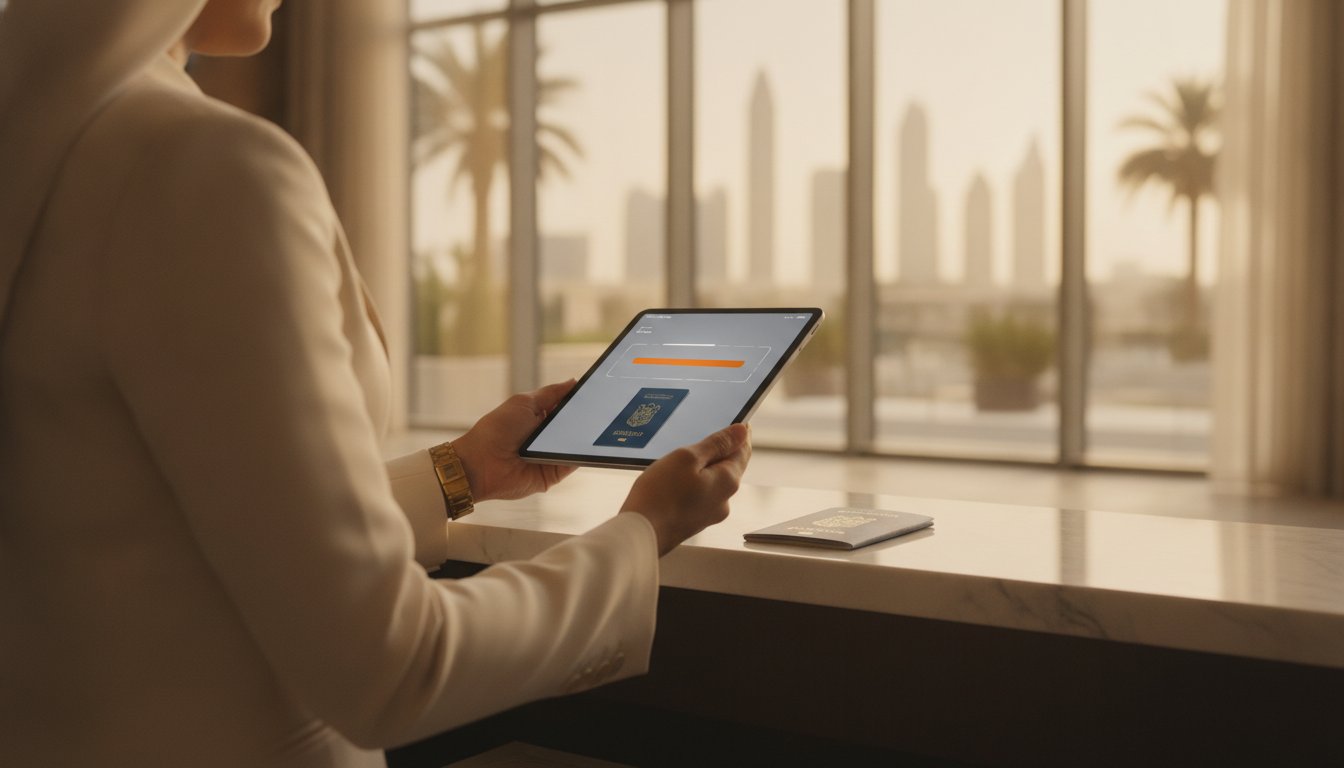
Selecting the right approach for your property involves balancing hardware capabilities with software flexibility. Dedicated passport readers are robust, high-volume devices designed for fixed reception desks. These units often include UV and infrared sensors to verify document authenticity, making them a preferred choice for large-scale luxury resorts. In contrast, software-based solutions leverage the cameras on tablets, smartphones, or self-service kiosks. These are highly versatile and cost-effective for boutique hotels or properties prioritizing mobile check-in. The most critical factor is integration. A modular solution like 1.ID ensures that regardless of the capture method, the data remains synchronized across your entire digital ecosystem, from guest engagement apps to back-office records.
How OCR Technology Reads Identity Documents
The process of transforming a physical document into a digital guest profile involves a sophisticated sequence of image analysis and data mapping. When a guest presents their identification, the passport OCR software for hotels first captures a high-resolution image, identifying the document type and orientation. The system then applies pre-processing filters to remove glare and enhance contrast, ensuring that the text is legible for the extraction engine. Once the image is optimized, the software isolates specific data fields, such as the document number, date of birth, and full name, through a logic-based mapping process that translates visual characters into structured digital text.
A primary component of this extraction is the identification of standardized zones found on international travel documents. The Machine Readable Zone (MRZ) consists of two or three lines of fixed-width characters at the bottom of the identity page, serving as a standardized data anchor that allows passport OCR software for hotels to achieve accuracy rates exceeding 99%. While the MRZ provides a reliable baseline, advanced systems also parse the Visual Inspection Zone (VIZ) to capture additional details like the guest’s address or issuing authority, which may not be encoded in the machine-readable lines. To see how these processes integrate into a wider property management strategy, you may wish to explore the specialized scanning modules provided by ITSthe1 Solutions.
Handling the diverse traveler demographic in the United Arab Emirates requires software capable of managing multi-language character sets and non-standard document formats. Modern solutions utilize machine learning models trained on millions of document variations to recognize different fonts, layouts, and even localized scripts. These AI-driven engines improve over time, learning to navigate the subtle nuances of national IDs from hundreds of different countries. This continuous refinement ensures that your front desk remains efficient regardless of the guest’s origin.
ICAO 9303 and Global Documentation Standards
The ICAO 9303 standard is the foundation of global travel document interoperability. It defines the exact layout, security features, and machine-readable components required for international passports. For global hospitality brands operating in the UAE, adhering to these standards is essential for maintaining a consistent check-in experience. High-quality OCR software handles not only these standardized passports but also diverse national IDs and driving licenses by recognizing the specific geometric patterns associated with each document type. This capability is vital when dealing with worn or damaged documents that might otherwise fail a basic scan.
Accuracy Benchmarks and Error Correction
In the hospitality sector, “high accuracy” is defined by a system’s ability to achieve near-perfect data extraction under varying lighting conditions. While automation handles the vast majority of cases, the necessity of a manual override remains a critical feature for edge cases, such as heavily obscured text or rare document types. A professional system provides a side-by-side view of the original image and the extracted text, allowing staff to verify and correct information in seconds. This collaborative approach between AI and human oversight ensures that your guest database remains an asset rather than a source of operational friction.
Security and Compliance: Protecting Guest Identity
Securing guest identity is a foundational responsibility that extends far beyond operational efficiency. In the United Arab Emirates, where the hospitality sector is a pillar of the national economy, the handling of personal data is governed by stringent legal frameworks. Implementing a robust passport OCR software for hotels is no longer just about speed; it’s a critical component of your property’s risk management strategy. This technology ensures that every piece of sensitive information, from high-resolution document images to extracted metadata, is protected against unauthorized access and potential data breaches.
Compliance in 2026 requires a multi-layered approach to data privacy. While the General Data Protection Regulation (GDPR) remains a primary concern for international guests, hotels in the UAE must also align with Federal Decree-Law No. 45 of 2021 on the Protection of Personal Data. A professional OCR solution facilitates this by applying industry-standard encryption, such as AES-256, for both data at rest and in transit. These systems feature automated data retention policies that help maintain a lean database. By configuring your software to purge sensitive ID images after a predefined period, typically once the guest has checked out and the legal reporting window has closed, you minimize your liability and uphold guest trust.
Secure Identity Verification for National Standards
In the UAE, guest registration involves more than just internal record-keeping. Hotels are required to provide accurate, real-time data to local authorities, including the Department of Economy and Tourism or local police services. Passport OCR software for hotels streamlines this mandatory reporting by ensuring the data sent to these portals is 100% accurate. To maintain compliance, the software should capture explicit guest consent through digital signatures during the scanning process. This creates a transparent audit trail. Every instance of data access or modification is logged, allowing your IT or compliance team to track who viewed guest information and for what purpose, ensuring total accountability within your front-office operations.
Preventing Identity Fraud at Check-in
Identity fraud is a sophisticated threat that requires an equally advanced technological response. Modern OCR engines don’t just read text; they analyze the structural patterns of the document to identify inconsistencies that may indicate a forgery. By integrating these checks with biometric layers, such as face recognition that matches the guest’s live image against the passport photo, hotels can create a formidable barrier against fraud. This high level of security doesn’t have to come at the cost of the guest experience. When integrated correctly into a unified platform like 1.ID, these verification steps feel like a natural part of a premium, high-tech welcome rather than a suspicious interrogation. This balance is essential for maintaining the reputation of your brand while protecting your business from the rising costs of cybercrime and identity theft.
Implementing OCR Software: A Strategic Checklist
Success in digitizing the front desk depends on meticulous planning and a clear understanding of your property’s operational flow. The first step is evaluating your Property Management System (PMS) for seamless integration. If your passport OCR software for hotels doesn’t communicate effectively with your central database, you risk creating information silos that hinder rather than help. You must also assess your hardware requirements based on your specific service model. High-traffic luxury properties in the UAE often benefit from dedicated fixed readers at the reception, while boutique hotels might prefer the flexibility of tablet-based extraction or integrated self-service kiosks.
Testing the workflow under realistic conditions is vital for long-term reliability. Front-desk teams frequently encounter environmental challenges like intense glare from overhead lobby lighting or low-light conditions during late-night arrivals. Your pilot phase should specifically address these scenarios to ensure the software maintains high accuracy rates regardless of the setting. Staff training must also pivot from manual data entry to a verification-led approach. This shift empowers your team to act as quality controllers rather than typists, allowing them to focus on the guest experience while the technology handles the administrative burden.
Step-by-Step Integration Guide
A methodical rollout begins with mapping OCR fields to your existing guest profile templates. This ensures that names, document numbers, and nationalities are correctly categorized in your records without manual intervention. Next, establish a secure API connection between the scanning module and your database to facilitate real-time data transfer. We recommend conducting a pilot phase at a single check-in station before a full-scale deployment across the property. This allows your IT team to identify and resolve any latency issues without disrupting the overall guest flow. To begin your property’s digital transition, you can consult with our technical specialists to evaluate your current infrastructure.
Measuring ROI and Performance Metrics
Quantifying the success of your implementation requires tracking specific performance indicators that align with your business goals. Monitor the reduction in average check-in times and the decrease in duplicate guest profiles caused by manual entry errors. Operational data suggests that a 60% reduction in check-in time significantly lowers staff labor costs by allowing fewer receptionists to manage higher guest volumes during peak hours. Beyond financial gains, improved data accuracy reduces billing disputes and enhances the efficacy of your personalized marketing efforts. These metrics provide a clear picture of how digital evolution serves your broader strategic objectives.
The ITSthe1 Solutions Advantage: Unified Identity with 1.ID
The implementation of passport OCR software for hotels often fails to reach its full potential when it exists as an isolated tool. At ITSthe1 Solutions, we view identity verification as the foundational layer of a much larger, cohesive digital ecosystem. Our specialized 1.ID module represents the culmination of research and testing conducted since our establishment in 1999. By moving beyond simple data capture, 1.ID ensures that guest information becomes a strategic asset that enhances every touchpoint of the hospitality journey. This module integrates directly with our 1.Hotel guest engagement app, allowing for a mobile-first check-in experience that meets the high expectations of the modern traveler in the United Arab Emirates.
Our global head office has been located in Dubai since 2003, giving us a deep understanding of the regional regulatory landscape and the specific needs of high-end hospitality brands. ITSthe1 Solutions doesn’t just provide a scanner; we offer a gateway to operational excellence. By utilizing 1.ID, your property benefits from a system designed for stability and global reach, ensuring that guest data is handled with the professional care your brand requires. This synergy between software and strategy reduces the workload for front-office staff while ensuring that every guest profile is accurate and secure from the moment of arrival.
Beyond the Front Desk: 1.ID in the Hotel Ecosystem
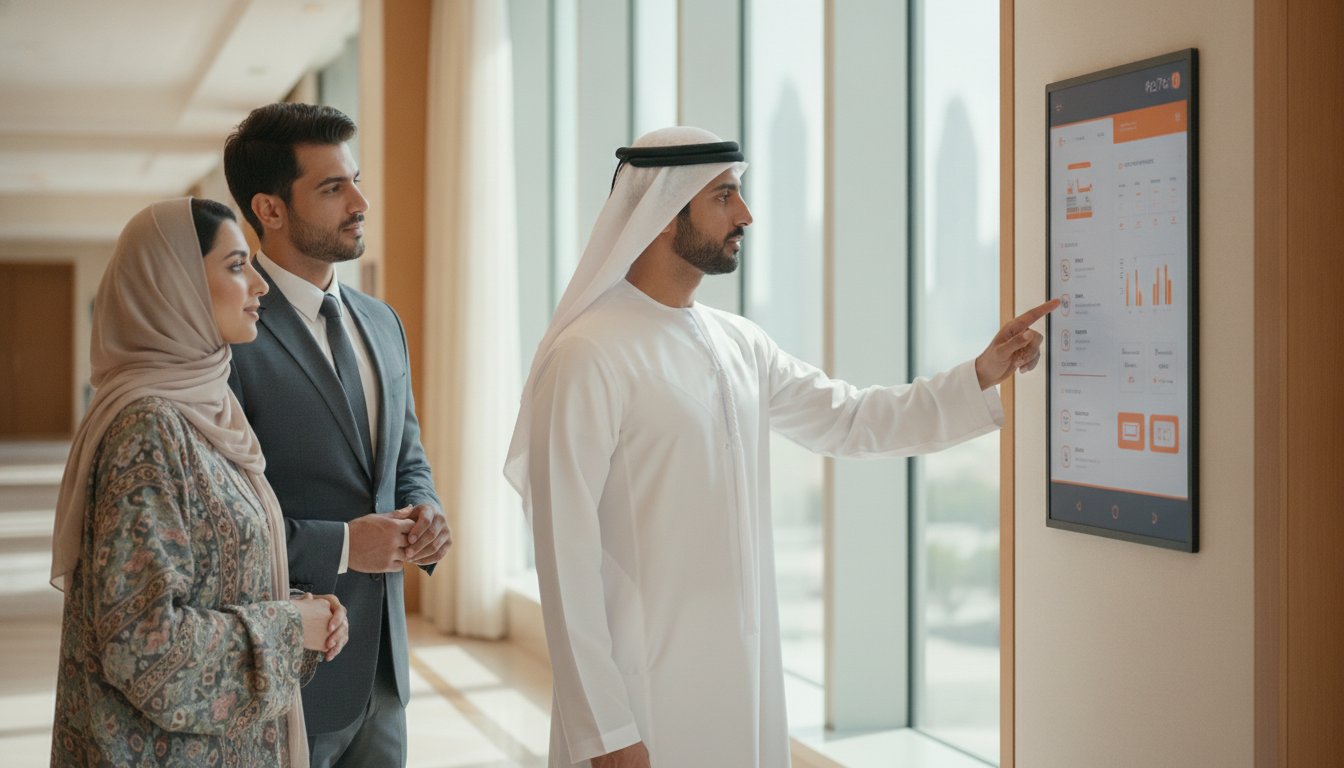
The true power of a unified identity system is realized when data flows naturally between functional modules. When a guest’s document is scanned via 1.ID, the information doesn’t just sit in a database. It immediately personalizes the 1.TV (IPTV) welcome screen in their assigned room, creating an instant sense of belonging. This same verified identity links to 1.Menu, enabling secure, authenticated room charging for dining services without the need for manual verification. This level of synchronization ensures that your operational excellence isn’t limited to the lobby but is felt throughout the entire property.
Integration also extends to our 1.DSMM (Digital Signage and Meeting Room) modules. By maintaining consistent guest profiles across the property, 1.ID eliminates the friction of redundant data entry for corporate clients or event attendees. It’s about turning a mandatory security requirement into a personalized guest experience that builds long-term loyalty. This holistic approach is what distinguishes a research-driven ecosystem from a collection of siloed tools provided by ITSthe1 Solutions.
Why Hospitality Leaders Trust ITSthe1 Solutions
ITSthe1 Solutions has served as a steady guide for hotels navigating the complexities of digital evolution for decades. We act as a trusted advisor, providing professional consulting and implementation strategies tailored to your specific business goals. We understand that reliability is paramount in hospitality technology, which is why our solutions are built on a philosophy of rigorous testing and established competence. Choosing 1.ID means partnering with an entity that values strategic growth and meticulous execution.
We provide the technical expertise necessary for complex digital transformations, ensuring that your property remains at the forefront of the industry. Discover how 1.ID can revolutionize your check-in process and help you achieve a truly integrated guest journey that prioritizes both security and sophistication.
Future-Proofing Your Front Office Operations
Adopting advanced passport OCR software for hotels is no longer a luxury but a strategic necessity for properties operating in the high-stakes United Arab Emirates market. We’ve explored how transitioning from manual entry to automated data parsing eliminates front-desk bottlenecks, ensures strict compliance with national data protection laws, and builds the foundation for a truly personalized guest journey. By prioritizing data precision and security, you protect your property from operational friction while elevating the standard of service that defines your brand.
ITSthe1 Solutions has been a steady partner for hospitality leaders since 1999, providing the established competence and global reach required for complex digital evolution. Our 1.ID module offers a seamless, research-driven entry point into a wider ecosystem that includes 1.TV and 1.Hotel, ensuring that guest identity is protected and utilized to its full potential. We invite you to contact ITSthe1 Solutions for a custom 1.ID demonstration to see how our technology serves your overarching business goals. Secure your operations and empower your team to deliver excellence today.
Frequently Asked Questions
Is passport OCR software GDPR compliant?
Yes, passport OCR software for hotels is designed to meet strict GDPR requirements through advanced encryption and automated data retention policies. It ensures that sensitive guest information is only stored for the legally required duration before being purged. These systems provide the necessary transparency and security controls to protect the privacy rights of international residents while maintaining operational excellence in the UAE hospitality sector.
Does the software work with national ID cards and driver’s licenses?
Professional OCR solutions are capable of processing a wide range of identification documents, including national ID cards and international driver’s licenses. The software utilizes pre-trained machine learning models to recognize the unique geometric layouts and security features of documents from hundreds of countries. This versatility is essential for hotels in the UAE, where the guest demographic is exceptionally diverse and requires flexible verification.
Can OCR software integrate with my existing Hotel PMS?
Seamless integration with your existing Property Management System (PMS) is a standard feature of high-quality OCR modules. The software typically utilizes secure API connections to map extracted data fields directly into guest profile templates without manual intervention. This synchronization eliminates manual entry errors and ensures that guest records are updated in real-time across your entire hospitality ecosystem, from the front desk to back-office accounting.
What happens if the OCR software misreads a guest’s name?
If a character is misidentified, the system provides a side-by-side view of the original document image and the extracted text for immediate verification. Staff members can perform a manual override to correct any discrepancies in seconds before the data is saved. This collaborative workflow between automated technology and human oversight ensures that your guest database remains accurate even when dealing with worn or damaged identification documents.
Do I need special hardware to use hotel passport scanning software?
You don’t necessarily need specialized hardware, as many modern OCR solutions can utilize the cameras on standard tablets or smartphones. However, high-volume luxury properties often opt for dedicated, fixed passport readers that include ultraviolet and infrared sensors for enhanced forgery detection. The choice depends on your property’s specific service model and the desired level of security you wish to maintain at the front desk.
How much time can automated ID scanning save at the front desk?
Automated scanning can reduce the check-in data entry process by up to 60%, allowing receptionists to complete a guest registration in seconds rather than several minutes. This efficiency significantly lowers labor costs and minimizes guest abandonment during peak arrival windows in busy UAE hubs. By automating repetitive tasks, your team can focus on providing a more personalized and attentive welcome experience for every visitor.
Is the guest’s data stored securely on the cloud?
Guest data is protected using enterprise-grade security protocols, including AES-256 encryption for data at rest and in transit. Secure cloud environments utilized by passport OCR software for hotels are monitored continuously for potential threats and vulnerabilities to ensure total data integrity. These systems are built to provide a reliable and stable platform that hospitality leaders can trust with their most sensitive guest information and operational records.
Can OCR be used for online or mobile check-in before the guest arrives?
OCR technology is a core component of modern mobile and online check-in workflows. Guests can use their own device to scan their ID through a dedicated hospitality app like 1.Hotel before they arrive at the property. This pre-arrival data capture ensures a frictionless entry point and allows the hotel to prepare personalized services, such as tailored 1.TV welcome screens, well in advance of the guest’s arrival.